
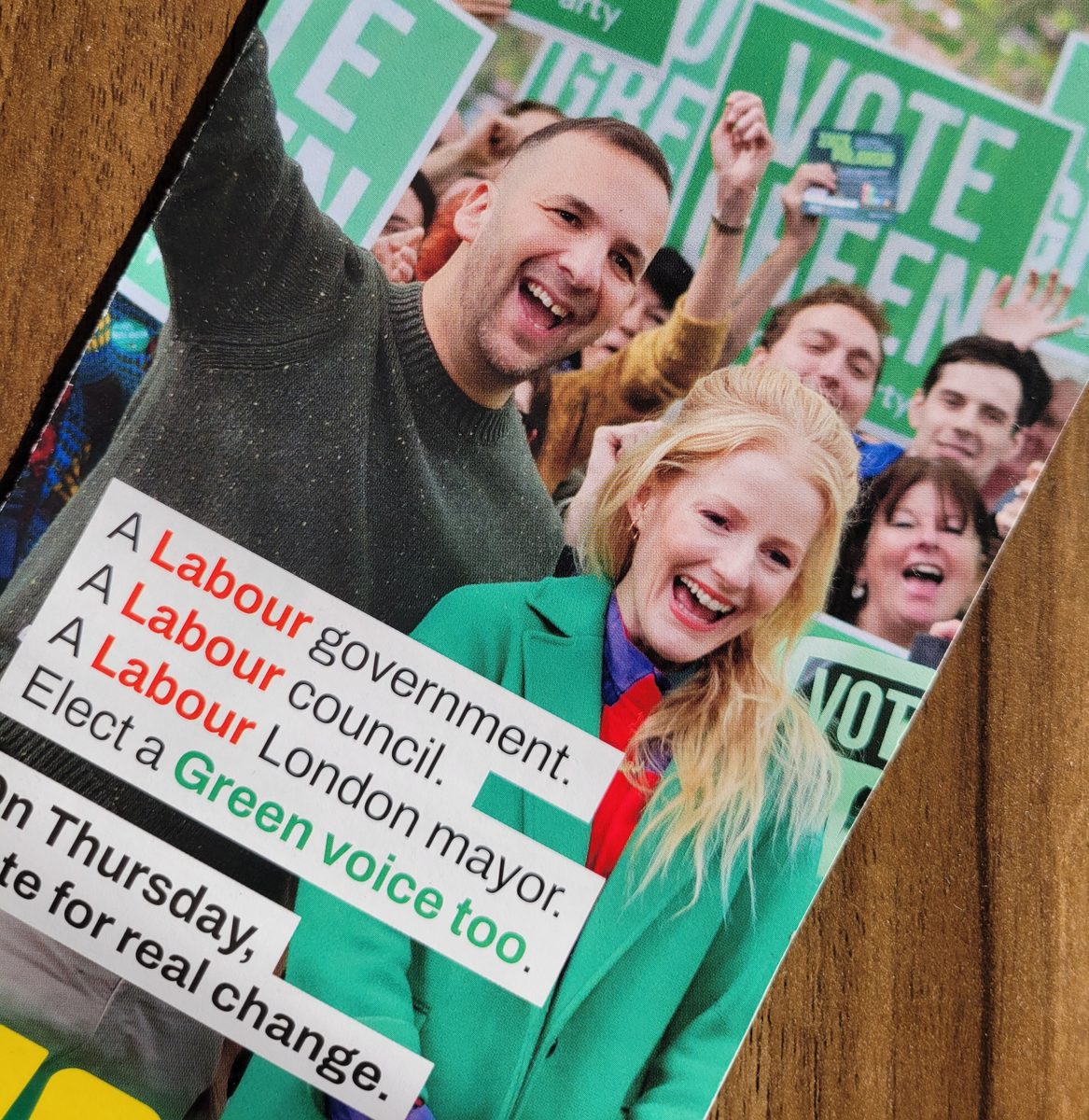
Polanski loses by-election
rs21 •Green party leader Zack Polanski has lost the Holborn and St Pancras by-election to the Labour candidate. The Green surge and the excitement surrounding Polanski’s leadership of the party faces its first major setback.
On the same night as the Holborn and St Pancras by-election, an ICE agent in New York shot a man in front of his child. Zohran Mamdani oversaw the deployment of the Strategic Response Group (the NYPD squad that he promised to disband) to police the protest in response. Amongst the confrontation between police and demonstrators, the DSA-backed Democratic Party nominee Darializa Avila Chevalier was knocked to the ground.
Meanwhile, students, tenants, and workers flood the streets of France, Spain, and Catalonia, demanding affordable housing and properly funded schools. Bally Bagayoko, mayor of Saint-Denis and member of La France Insoumise, can be found on the frontline facing off against police alongside the youth of his city.
In India, the Cockroach Janta Party, which was born out of an insurgent youth movement, faces mass arrests in response to mobilisations in New Delhi. And the Workers’ Party of Brazil faces defeat at the hands of the far-right Bolsonaro Jr.
All of these situations are specific. But they speak to a more generalised set of questions about what opportunities and challenges are presented by the electoral terrain in our moment of struggle. These questions demand us to consider how the ballot box and the barricade sit together within a coherent strategy and how the mass uprisings that have littered this century can form the bedrock of more durable organisations.
To speak only of Britain, the Green Party represents the most immediately viable electoral project to the left of the Labour Party. In some parts of the country, it has become the political expression of the Palestine movement after the failure of Your Party. The committed socialists doing this work are faced with a contradictory organisation, containing a thick layer of liberals who remain focused on eco-managerialism and keeping up the appearance of a “legitimate” political party.
Organisations like rs21 must not focus on electoral short-cuts, as appealing as they might be, without a long-term plan to build institutions of working-class agency. But neither can we turn away from projects that attract huge interest from wider layers of the working class.
We must accept that failure is a part of political development and that the lessons we learn in defeat are essential. Despite losing this by-election, the Greens have done well to grow their vote share while differentiating the party from Labour on Palestine and the climate crisis. Those organising alongside them should reflect on what they have learnt about the composition of Holborn and St Pancras from this work and ask what kinds of struggle and organisation are required to build power outside of the electoral cycle.
Rather than falling in behind projects as they ebb and flow, we must engage in the difficult task of building forms of struggle and militancy that can intervene in electoral processes and go beyond them. We must build organisations capable of generating leaders, as well as structures that make sure that those leaders, once elected, can be found on the barricade instead of instructing police to dismantle them.


0 comments